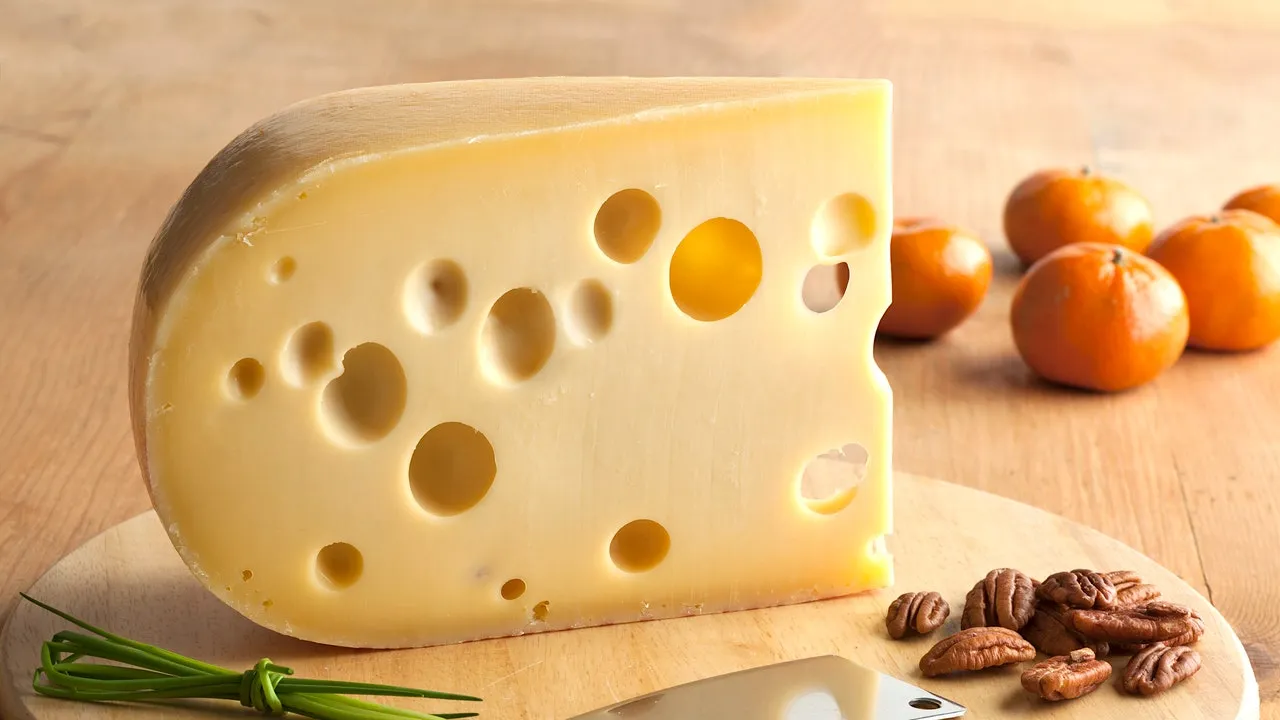
Holey Cow Cheese: Unveiling This Swiss-Style Delight
In the vast and wonderful world of cheese, few varieties spark as much curiosity as those adorned with distinctive holes. If you've ever pondered, "Is Holey A Cheese?" the resounding answer is a delicious yes! Not only is it a cheese, but specific delightful examples like Holey Cow cheese stand out as prime illustrations of this iconic Swiss-style tradition. Far from being a mere novelty, these "eyes," as they're known in the industry, are a hallmark of flavor and craftsmanship. Let's delve into the intriguing story of Holey Cow cheese, from its creamy texture to the fascinating science behind its famous perforations.
What Exactly is Holey Cow Cheese?
Holey Cow cheese is a prime example of a meticulously crafted, semi-firm cheese that embodies the beloved Swiss-style tradition. Hand-made with care and attention, it starts its life as pasteurized whole cow's milk, ensuring both safety and a rich, creamy base for its distinct flavor profile. This cheese isn't rushed; it's aged for at least one month, a period crucial for developing its characteristic texture and depth of taste.
Visually, Holey Cow cheese immediately captivates with its signature "eyes" – the perfectly round openings that dot its velvety, pale-yellow paste. These aren't random imperfections but rather a controlled outcome of its aging process, a testament to the cheesemaker's skill. The aroma is inviting, often described as possessing a sweet creaminess that hints at the delightful experience to come. On the palate, it delivers a harmonious balance of sweet and salty, leading to a complex array of underlying flavors: notes of roasted peanuts, rich butter, and a subtle hint of fresh grass. The texture itself is a joy – smooth, meltable, and delightfully stretchy, making it a versatile contender for various culinary applications. Furthermore, for those with dietary considerations, Holey Cow cheese is suitable for vegetarians, broadening its appeal.
The "Holey" Truth: Unraveling the Mystery of Cheese Eyes
The presence of holes in Swiss-style cheeses like Holey Cow has long been a source of fascination and, let's be honest, some amusing misconceptions. You might have heard childhood tales of hungry mice nibbling their way through the cheese, or perhaps even thought they were just air bubbles caught during production. While these stories add a touch of whimsy, the truth behind what makes Swiss cheese "holey" is far more scientific and equally captivating.
The real secret lies with tiny, hardworking bacteria that are integral to the cheesemaking process. During the aging period, specific strains of starter cultures, particularly those like Propionibacterium freudenreichii, consume the lactic acid within the cheese. As a byproduct of their metabolic activity, these bacteria release carbon dioxide gas. This gas, unable to escape the dense, semi-firm cheese matrix, begins to accumulate and form small pockets, which expand and mature into the distinctive "eyes" we all recognize and love. These secret to Swiss cheese holes: bacteria, not mice is a testament to microbiology in action.
Cheesemakers have mastered the art and science of controlling these fascinating formations. The size, distribution, and even the appearance of the eyes can be influenced by several factors, including:
- Temperature: Warmer temperatures can encourage more active bacterial growth, potentially leading to larger and more numerous eyes.
- Storage Time: The duration of aging allows more time for gas production and expansion, thus impacting hole development.
- Acidity Levels: Precise control over the cheese's acidity creates the optimal environment for the bacteria to thrive and produce gas effectively.
While industry professionals refer to them as "eyes," rest assured that their size does not inherently affect the taste of the cheese. The goal is consistent quality and flavor, which cheesemakers meticulously manage. You might recall news reports about the "mystery of disappearing holes" in Swiss cheese. This phenomenon, while interesting, merely highlights the subtle complexities of cheesemaking; it's not a sign that our beloved holes are gone forever. Instead, it often points to minor variations in bacterial strains or processing techniques, proving that the science behind why Swiss cheese has holes: the science of 'eyes' is both precise and dynamic.
Baby Swiss vs. Traditional Swiss: A Matter of Age and Aperture
The aging process plays a critical role in both the flavor development and the hole formation in Swiss-style cheeses. Two popular variations illustrate this perfectly:
- Baby Swiss: This younger cousin of traditional Swiss is aged for a shorter period. Consequently, its holes are typically smaller and more delicate, and the cheese itself boasts a milder, creamier flavor. It's often preferred by those who enjoy a less assertive cheese.
- Traditional Swiss: Aged for a minimum of 60 days, traditional Swiss, like Holey Cow, has more time for its bacterial cultures to work their magic. This extended aging results in larger, more pronounced eyes and a richer, nuttier, and more complex flavor profile. Cheesemakers also adhere to strict guidelines, including FDA requirements for hole size, ensuring consistency and quality in every wheel.
Beyond the Holes: Flavor Profiles and Culinary Versatility
While the "holes" are a visual delight, the true magic of Holey Cow cheese lies in its multifaceted flavor and incredible versatility in the kitchen. Its unique combination of sweet and salty notes, coupled with the intriguing undertones of roasted peanuts, creamy butter, and fresh grass, makes it a standout choice for various culinary adventures.
Thanks to its meltable, stretchy, and smooth texture, Holey Cow cheese is an excellent candidate for both cooking and enjoying on its own:
- The Ultimate Melting Cheese: Its superior meltability makes it perfect for classic grilled cheese sandwiches, rich fondues, bubbling gratins, and comforting macaroni and cheese. It also shines in hot sandwiches like Reubens or Cubanos, where its stretchiness adds to the satisfying bite.
- Star of the Cheese Board: Served at room temperature, Holey Cow cheese truly reveals its complex flavors. Pair it with fresh fruits like crisp apples and sweet grapes, a handful of toasted nuts, crusty artisan bread, or a drizzle of local honey for an exquisite experience. Its inviting aroma and attractive appearance make it a welcome addition to any charcuterie spread.
- Enhancing Everyday Meals: Grate it over salads for a touch of creamy saltiness, incorporate it into omelets or quiches for added richness, or simply slice it as a wholesome snack. Its vegetarian suitability also makes it a fantastic, flavorful option for meat-free dishes.
When it comes to beverage pairings, Holey Cow cheese is quite accommodating. Its balanced profile goes wonderfully with lighter-bodied white wines such as Sauvignon Blanc or Pinot Grigio. For beer enthusiasts, a crisp lager, a refreshing pilsner, or even a light amber ale can beautifully complement its nutty and sweet notes.
Embracing the Delight: Tips for Enjoying Holey Cow Cheese
To fully appreciate the nuanced flavors and textures of Holey Cow cheese, here are some practical tips:
- Serve at Room Temperature: For optimal flavor release, remove Holey Cow cheese from the refrigerator about 30-60 minutes before serving. This allows its complex aromas and tastes to truly blossom.
- Proper Storage is Key: To keep your Holey Cow cheese fresh, wrap it tightly in parchment paper or specialized cheese paper, then place it in a loosely sealed plastic bag or container in the coldest part of your refrigerator. Avoid plastic wrap directly against the cheese, as it can trap moisture and impart off-flavors.
- Experiment with Pairings: Don't be afraid to get creative! Try it with different jams, chutneys, or even a sprinkle of chili flakes for an unexpected kick. Its versatility is one of its greatest assets.
- Get Creative in the Kitchen: Beyond the obvious, consider using Holey Cow cheese in a savory bread pudding, as a topping for baked potatoes, or melted over steamed vegetables like asparagus or broccoli for an instant upgrade.
So, the next time you encounter a cheese with those captivating holes, you'll know that "Holey" is indeed a cheese – a testament to skilled cheesemaking and the wonders of microbial science. Holey Cow cheese, in particular, stands as a delightful ambassador of this tradition, offering a rich tapestry of flavors and textures that promises to elevate any culinary moment.