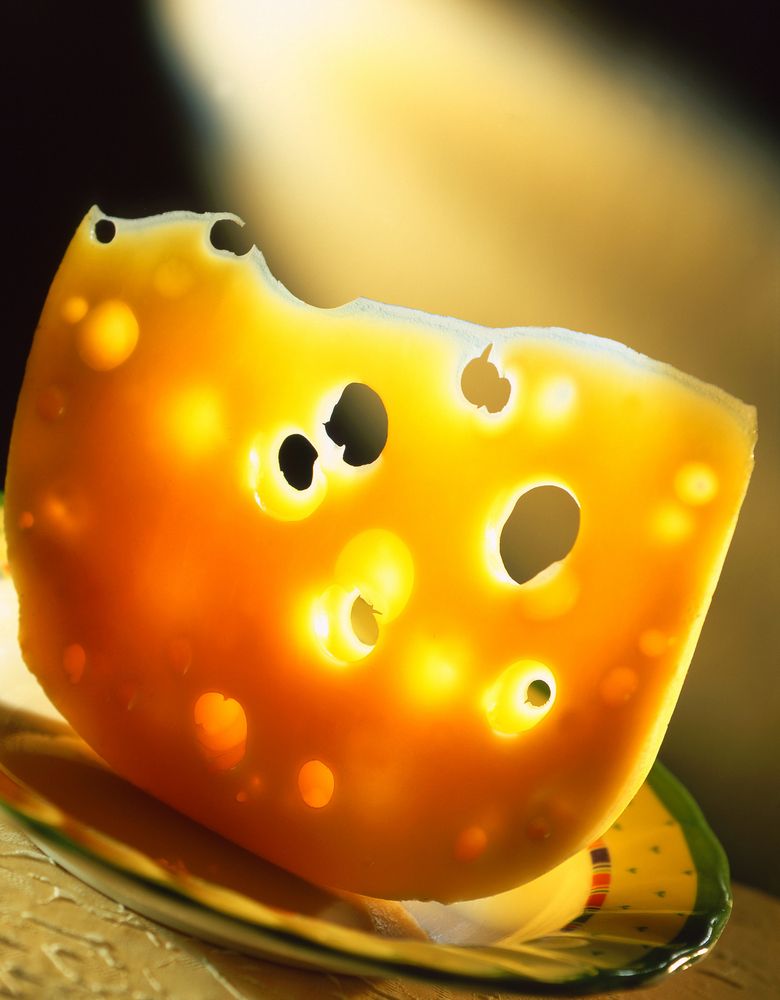
The Age-Old Question: Is Holey A Cheese? Debunking the Myths
For generations, the distinctive holes in Swiss cheese have been a source of fascination and, often, misinformation. If you've ever found yourself wondering, "Is holey a cheese, or just a description?" you're not alone. While "holey" is indeed an adjective describing cheeses with these signature openings, it also refers to specific varieties like the delightful Holey Cow cheese. But the real intrigue lies in *how* those holes get there. Forget the whimsical tales of tiny mice nibbling their way through blocks of dairy; the true story is far more scientific and incredibly captivating. The secret to Swiss cheese holes isn't a pest, but a process – a microscopic marvel driven by beneficial bacteria.
The Mice Myth: A Culinary Fairytale
Let's first address the most charming, yet utterly incorrect, explanation for those iconic gaps: hungry mice. It's a tale often spun by parents or perpetuated in cartoons, painting a picture of adorable rodents feasting on cheese, leaving behind their tell-tale marks. While a quaint notion, the reality of cheesemaking is a tightly controlled, hygienic process far removed from rodent activity. The idea persists largely because it offers a simple, relatable explanation for something that, until recently, was quite complex to understand for the layperson. It's a harmless story, but one that obscures the sophisticated science behind one of the world's most beloved cheeses.
The Scientific Truth: Bacteria, Not Bites
The real heroes behind those beautiful "eyes"—as the holes are technically known in the industry—are microscopic bacteria. These tiny organisms are an integral part of the cheesemaking process, responsible for converting milk into cheese and developing its unique flavors and textures. Specifically, in many traditional Swiss cheeses like Emmental, a particular strain of bacteria called *Propionibacterium freudenreichii* plays a crucial role. This bacterium consumes lactic acid, a byproduct of other bacteria involved in cheesemaking, and in doing so, releases various compounds, including carbon dioxide gas. It's this gas, accumulating within the cheese, that forms the bubbles which eventually become the iconic holes we all recognize and love.
The Science Behind the "Eyes": How Bacteria Create Bubbly Bliss
Understanding the bacterial ballet that creates Swiss cheese holes deepens one's appreciation for this dairy delight. It’s a delicate balance of biological activity, temperature, and time that transforms simple milk into a complex, flavorful, and visually distinctive product. For a deeper dive into this fascinating process, explore
Why Swiss Cheese Has Holes: The Science of 'Eyes'.
The Fermentation Process: A Symphony of Microbes
The journey begins when milk is curdled and pressed into wheels. After an initial fermentation, the cheese is moved to a warmer "warm room" (around 20-24°C or 68-75°F). This warmer temperature is key, as it activates the *Propionibacterium freudenreichii* bacteria. As these bacteria metabolize the lactic acid, they release carbon dioxide gas. Because the cheese is semi-firm, the gas can't simply escape. Instead, it collects in tiny pockets, expanding over time to form the distinct round openings.
The size and distribution of these "eyes" are not random but are carefully controlled by cheesemakers. Factors such as:
- Temperature: Warmer temperatures accelerate bacterial activity and lead to larger, more numerous holes.
- Storage Time: Longer aging periods allow more time for gas production and hole development.
- Acidity Levels: The pH of the cheese influences bacterial metabolism and gas release.
- Moisture Content: The moisture in the cheese affects the gas's ability to form distinct bubbles.
Mastering these variables is an art form, passed down through generations of cheesemakers, ensuring consistent quality and character in each wheel of Swiss.
Baby Swiss vs. Traditional Swiss: A Matter of Maturity and Flavor
Not all Swiss cheeses are created equal, particularly when it comes to their aging process and the resulting holes and flavors.
- Baby Swiss: As its name suggests, Baby Swiss undergoes a shorter aging period, typically around 30-45 days. This results in smaller, more numerous holes and a milder, creamier flavor. Its delicate profile makes it incredibly versatile.
- Traditional Swiss (e.g., Emmental): Aged for a minimum of 60 days, and often much longer, traditional Swiss develops larger, more pronounced eyes and a richer, nuttier, and more complex flavor. The longer aging allows for greater bacterial activity and flavor development. The FDA even has requirements for the size and distribution of these holes, ensuring authenticity and quality.
Interestingly, reports of "disappearing holes" in Swiss cheese surfaced briefly in the news a few years ago. This was often attributed to modern, ultra-clean milking practices reducing the presence of tiny hay particles that historically served as nucleation sites for gas bubbles. However, skilled cheesemakers quickly adapted, demonstrating their profound understanding of the bacterial processes to ensure those beloved holes aren't going anywhere.
The Contribution of Holes to Flavor (Yes, Really!)
While the size of the holes themselves doesn't directly impact the flavor, the *process* that creates them is intrinsically linked to the cheese's overall taste profile. The bacterial activity responsible for carbon dioxide production also contributes significantly to the savory, sweet, and nutty notes characteristic of Swiss cheese. Furthermore, the "eyes" contribute to the unique meltable, stretchy, and smooth texture, making Swiss cheese a favorite for sandwiches, fondue, and gratins. They create a distinct mouthfeel and release aromas as the cheese warms, enhancing the sensory experience.
Spotlight on Swiss-Style Excellence: What is Holey Cow Cheese?
Moving beyond the general science, let's turn our attention to a specific and delightful example of Swiss-style cheesemaking: Holey Cow cheese. This artisan creation perfectly embodies the characteristics we've been discussing, offering a tangible example of how the "holey" characteristic translates into a premium product. Discover more about this specific cheese in our dedicated article:
Holey Cow Cheese: Unveiling This Swiss-Style Delight.
A Delectable Deep Dive into Holey Cow's Profile
Holey Cow cheese is a testament to the meticulous craft of cheesemaking. It is a hand-made, semi-firm cheese crafted from pasteurized whole cow's milk, ensuring both safety and a rich, creamy base. Aged for at least one month, it develops those characteristic round openings, or "eyes," throughout its velvety interior.
Its sensory profile is truly remarkable:
- Aroma: A sweet cream aroma that invites you in.
- Taste: A harmonious balance of sweet and salty notes.
- Texture: Meltable, wonderfully stretchy, and exceptionally smooth.
- Flavor Profile: Complex and nuanced, with delightful hints of roasted peanuts, rich butter, and fresh grass – flavors that speak to the quality of the milk and the skill of the cheesemaker.
An added bonus for many consumers is that Holey Cow cheese is suitable for vegetarians, making it an inclusive choice for various dietary preferences. It's a cheese designed to be savored, whether on its own or as a star ingredient.
Beyond the Holes: Appreciating the Craft of Swiss-Style Cheesemaking
While the holes are certainly Holey Cow's most recognizable feature, the true appreciation lies in understanding the entire artisanal process. The selection of whole cow's milk, the careful pasteurization, the precise timing of aging, and the hands-on crafting all contribute to a cheese that is more than just "holey"—it's a symphony of flavor and texture. This dedication to tradition and quality is what elevates Swiss-style cheeses, making them sought-after around the globe. It's a celebration of nature, science, and human ingenuity working in perfect harmony.
Practical Tips for Enjoying Holey Cheeses
Whether it's traditional Emmental, mild Baby Swiss, or the exquisite Holey Cow, knowing how to serve and store your Swiss-style cheese will enhance your enjoyment.
Serving Suggestions and Culinary Pairings
Holey cheeses are incredibly versatile in the kitchen:
- Cheese Boards: Their distinctive appearance makes them a centerpiece. Pair with fruit (apples, grapes), nuts (walnuts, almonds), and crusty bread.
- Sandwiches: A classic choice for deli sandwiches, especially with roast beef, ham, or turkey, where its meltable texture shines.
- Melting Applications: Perfect for gratins, croque monsieur, or even a sophisticated grilled cheese. Its stretchiness is ideal for fondue.
- Wine Pairings: Generally pairs well with crisp white wines like Sauvignon Blanc or dry Rieslings. For reds, a light-bodied Pinot Noir can also complement its nutty notes.
Storage Secrets for Optimal Freshness
To preserve the unique flavors and textures of your holey cheese:
- Wrap Properly: Wrap tightly in parchment paper or specialized cheese paper, then loosely in plastic wrap. This allows the cheese to breathe while preventing it from drying out.
- Refrigerate: Store in the warmest part of your refrigerator, typically the cheese drawer, at around 4-7°C (40-45°F).
- Bring to Room Temperature: For optimal flavor, remove the cheese from the refrigerator about 30 minutes before serving. This allows its full aroma and texture to develop.
In conclusion, the answer to "Is holey a cheese?" is both yes and no. While it primarily describes a characteristic, it also refers to specific, delightful creations like Holey Cow cheese. The real magic, however, lies in the microscopic world of bacteria, which are the true architects of those iconic "eyes." Far from being a flaw or the result of hungry rodents, these holes are a testament to a precise scientific process that defines the very essence and intricate flavor profile of Swiss cheese. So next time you slice into a block of this magnificent dairy, take a moment to appreciate the invisible wonders that made it so uniquely Swiss.