Unraveling the Mystery: Why Swiss Cheese Has Holes and What Makes It So Delicious
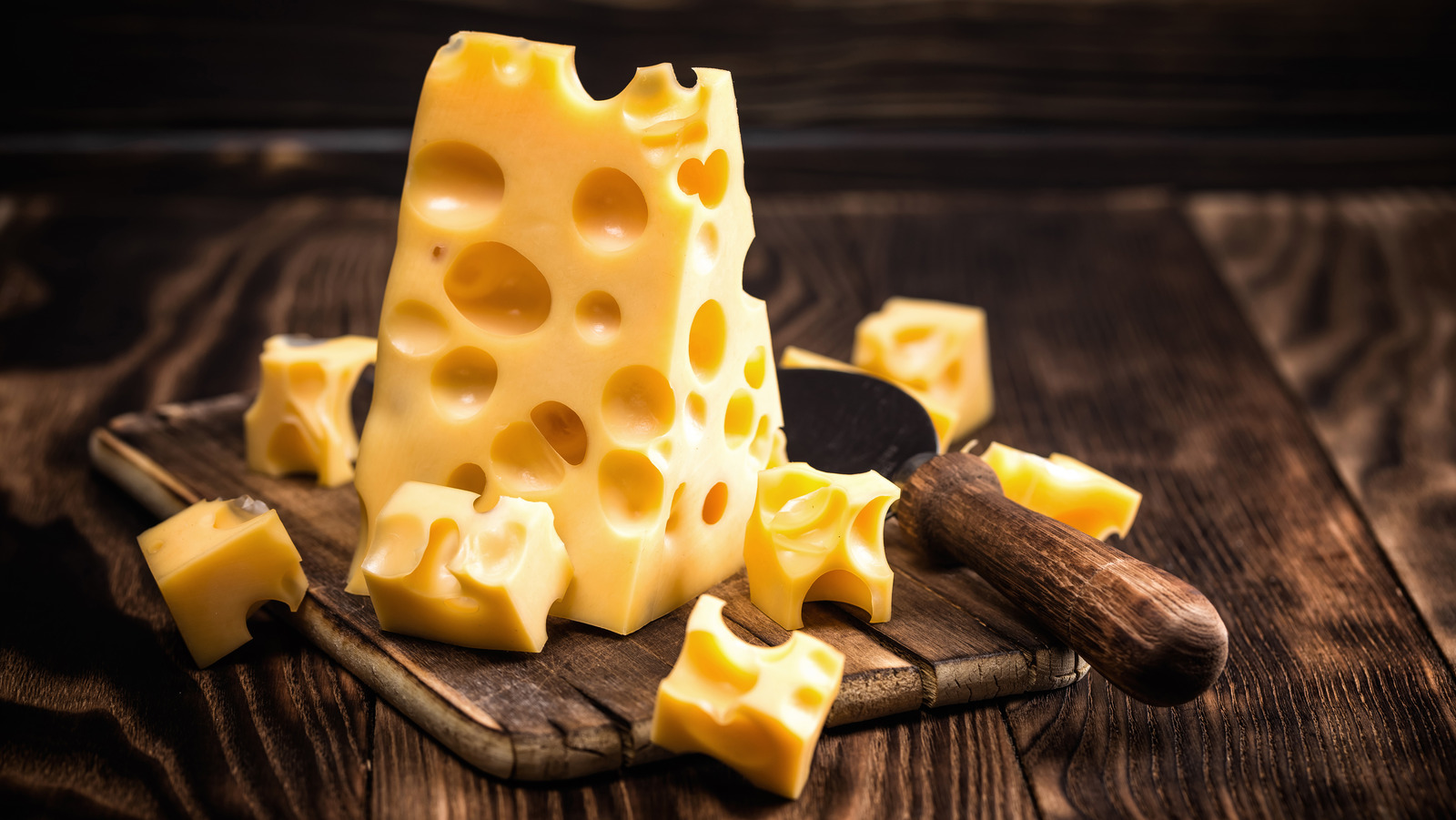
For generations, the distinctive holes in Swiss cheese have been a source of fascination and, often, whimsical speculation. Many of us grew up hearing tales of hungry mice nibbling away at the cheese, creating those iconic gaps. While a charming notion, the truth behind these "eyes" – as they are professionally known – is far more scientific and, arguably, even more intriguing. So, to answer the burning question, "Is Holey A Cheese?" Yes, absolutely! "Holey" describes a characteristic of many cheeses, most famously the Swiss-style varieties, and it's a characteristic born from a fascinating microbiological process.
This article delves into the science behind these intriguing perforations, explores the delicious qualities of Swiss-style cheeses, and clarifies why these holes are not only natural but integral to the cheese's unique character and flavor.
The Real "Hole" Story: Bacteria, Not Burrowing Critters
Let's debunk the myth right away: those holes aren't the work of tiny rodents. The genuine masterminds behind the characteristic eyes in Swiss cheese are microscopic heroes: specific types of bacteria. These aren't just any bacteria; they are carefully introduced cultures that play a pivotal role in the cheese-making process.
The primary culprit (in the best possible way) for the large, round eyes found in traditional Swiss cheeses like Emmentaler and its American counterparts is often a strain called
Propionibacterium freudenreichii. During the aging process, particularly in a warmer environment, these bacteria get to work. They ferment the lactic acid that has already been produced by other starter cultures in the cheese. A key byproduct of this fermentation is carbon dioxide gas.
Imagine tiny pockets of gas forming within the semi-firm cheese paste. As more gas is produced, these pockets expand, pushing against the developing cheese matrix, creating the distinct round openings we call "eyes." The science is precise: the bacteria convert lactic acid into acetic acid, propionic acid (which contributes significantly to the nutty, sweet flavor profile), and critically, carbon dioxide. It's this CO2 that inflates the cheese, creating those beloved holes.
Far from being a defect, these holes are a hallmark of proper Swiss cheese production and a sign of a well-aged, quality product. For a deeper dive into this fascinating process, you might enjoy reading
The Secret to Swiss Cheese Holes: Bacteria, Not Mice!
Crafting the Perfect 'Eyes': Factors Influencing Hole Size and Flavor
The size, distribution, and even the existence of holes in Swiss-style cheese are not random occurrences. They are carefully controlled by skilled cheesemakers, who manipulate several environmental factors throughout the aging process:
* **Temperature:** This is arguably the most critical factor.
Propionibacterium freudenreichii thrives at warmer temperatures (typically around 70-75°F or 21-24°C). The cheese is often moved from a cooler curing room to a warmer one, allowing the bacteria to become highly active and produce more gas, thus creating larger eyes. If the temperature is too low, the bacteria remain dormant, resulting in smaller or no holes.
* **Aging Time:** The duration of aging directly impacts the development of the eyes and the cheese's overall flavor.
*
Baby Swiss, for instance, is aged for a shorter period, often around 30-45 days. This results in smaller, more numerous eyes and a milder flavor profile. Its delicate taste makes it a popular choice for those new to Swiss cheese.
*
Traditional Swiss, like Emmentaler or classic American Swiss, is aged for a minimum of 60 days, sometimes much longer. This extended aging allows for the development of larger eyes and a more robust, complex flavor.
* **Acidity Levels:** The pH (acidity) of the cheese paste also plays a role. Specific acidity levels create the optimal environment for the gas-producing bacteria to function effectively. Cheesemakers carefully monitor and adjust the acidity throughout the process.
* **Storage Conditions:** Controlled humidity and consistent conditions are vital to ensure uniform gas production and the proper development of the cheese's texture and flavor.
The careful orchestration of these elements ensures that the "eyes" are not only visually appealing but also contribute to the intricate flavors and unique texture that Swiss cheese is renowned for. The FDA even has requirements regarding the size and distribution of these holes to ensure quality and consistency in commercially produced Swiss cheese.
Beyond the Basics: Flavor Profiles, Texture, and Culinary Uses of Holey Cheeses
The holes in Swiss cheese do more than just make it visually distinct; they also contribute to its unique texture and how its flavors are perceived.
*
Texture and Mouthfeel: The presence of eyes means that when you bite into Swiss cheese, you experience a fascinating interplay of firm cheese and pockets of air. This creates a slightly softer, more yielding texture compared to a solid block of cheddar, and contributes to its famously meltable and stretchy consistency. The velvety paste, punctuated by smooth openings, offers a delightful chew.
*
Flavor Development: The bacterial fermentation that creates the holes is also responsible for the complex flavor profile. The propionic acid, as mentioned earlier, imparts the characteristic sweet and nutty notes. Other byproducts contribute to hints of roasted peanuts, rich butter, and even a fresh, grassy aroma, particularly in artisanal varieties. The holes themselves, by creating more surface area internally, might subtly influence how aroma compounds are released and perceived.
*
Versatility in the Kitchen: Swiss-style cheeses are incredibly versatile. Their meltability makes them perfect for:
*
Sandwiches: Classic pairings include ham and Swiss, reubens, or simply grilled cheese.
*
Cooking: Ideal for gratins, fondues, quiches, and casseroles where a smooth, meltable cheese is desired.
*
Cheese Boards: Their distinctive appearance and balanced flavor make them a standout on any platter, pairing well with fruits, nuts, and crusty bread.
*
Snacking: A simple slice of Swiss-style cheese is a satisfying and nutritious snack.
Consider a delicious example like
Holey Cow Cheese: Unveiling This Swiss-Style Delight. This specific variety, a hand-made, semi-firm cheese from pasteurized whole cow’s milk, exemplifies the characteristics we've discussed: aged for at least a month, featuring round "eyes" throughout its velvety paste, and boasting a sweet cream aroma with sweet, salty notes, along with flavors of roasted peanuts, butter, and grass. It’s also suitable for vegetarians, highlighting that the cheese-making process can be adapted to various dietary needs.
The "Disappearing Holes" Mystery: A Modern Twist
You might have heard recent news reports about a supposed "mystery" of disappearing holes in Swiss cheese. Rest assured, the iconic holes aren't vanishing for good. This phenomenon was more about refining our understanding and, in some cases, slight shifts in production methods or the specific bacterial cultures used.
The science behind why there might be fewer holes, or differently sized ones, isn't fundamentally different from what has always been known about the process. It often comes down to:
*
Hygiene Improvements: Modern dairy practices have led to incredibly clean milk production. Traditional theory suggested tiny hay particles (microscopic dust from hay in barns) might have acted as nucleation sites for gas bubbles. With ultra-clean milk, these natural starting points are fewer, potentially requiring adjustments in bacterial cultures or temperature to achieve the desired effect.
*
Different Bacterial Strains: As mentioned, specific bacteria are chosen for their gas-producing capabilities. Cheesemakers might experiment with different strains or combinations to achieve particular flavors or hole characteristics, leading to variations.
*
Specific Cheese Styles: Not all "Swiss-style" cheeses aim for large, gaping holes. Baby Swiss, for example, is deliberately made with smaller eyes. The variation simply highlights the precision and control cheesemakers now have over their craft.
The industry consistently monitors and adjusts its processes to maintain the cherished qualities of Swiss cheese, ensuring those famous holes and intricate flavors remain for generations to come.
Conclusion: Celebrating the Science of Swiss Cheese
The captivating "eyes" in Swiss cheese are far from a random occurrence or a childhood fantasy involving mice. They are the elegant result of a sophisticated microbiological process, expertly managed by cheesemakers who balance temperature, time, and specific bacterial cultures. These gas-producing microbes not only perforate the cheese but are also instrumental in developing its distinctive sweet, nutty, and complex flavor profile, as well as its unique, meltable texture. From the delicate small eyes of Baby Swiss to the bold, expansive openings of traditional varieties, each hole tells a story of craftsmanship, science, and a rich culinary tradition. So, the next time you enjoy a slice of Swiss, take a moment to appreciate the incredible science behind its beloved holes, and savor the intricate flavors they help to create.